
Our Identity in Christ is one of the most misunderstood aspects of the Christian life. It addresses a struggle many women quietly carry: the tension between the life they hope to live and the life they actually experience. One version of themselves appears patient, disciplined, faithful, and spiritually steady. Another struggles with frustration, exhaustion, doubt, and imperfection. Yet both exist within the same person.
This tension is not unique. Scripture itself recognizes the internal struggle between the flesh and the Spirit. The deeper problem many women face is not simply behavior or circumstance, but identity. When identity is built on performance, comparison, or external expectations, it becomes fragile. The gospel offers something entirely different: an identity that is received through Christ rather than built through effort.
The Weight Many Women Carry
Women today often live under immense pressure to succeed in multiple roles simultaneously. Cultural expectations, family responsibilities, and personal aspirations combine to create an exhausting internal burden. They feel responsible for maintaining relationships, emotional stability in the home, professional success, and personal discipline all at once.
These pressures can lead women to define themselves by what they accomplish rather than by who they are in Christ. When identity becomes tied to performance, it inevitably becomes unstable because performance always fluctuates. This produces a cycle in which women feel compelled to perform in order to matter, only to discover that the worth they are building rests on shifting sand.
Why Identity Built on the World Is Fragile
Modern culture encourages individuals to construct their identity through achievements, feelings, or external validation. Yet anything grounded in such fluctuating measures cannot provide a stable sense of self. It is not capable of doing so precisely because:
- Feelings change.
- Circumstances change.
- Success fades.
- Appearance fades.
Identities cannot remain stable when the foundations beneath them are fragile. Scripture, however, directs believers toward a different foundation altogether: the finished work of Christ.
The Gospel and Identity
The gospel does not call believers to construct an identity; it gives them one. Scripture describes this new reality by declaring that our lives are “hidden with Christ in God (Colossians 3:3) and that believers have been transferred “from the domain of darkness into the kingdom of his beloved Son” (Colossians 1:13). Christian identity, therefore, rests not on personal achievement, but on what Christ has already accomplished.
Christian identity, therefore, rests not on personal achievement but on a positional reality. Believers stand in the righteousness of Christ rather than their own. Because this identity is grounded in Christ’s completed work, it is stable and secure. It is here that Christian hope is best understood.
What Scripture Says About Who You Are in Christ
While the world asks us to build an identity, Scripture declares the identity already given to those who belong to Christ. The Bible repeatedly explains who you are in Christ, describing the new standing of every believer before God.
Because of Christ, believers are:
- justified before God
- forgiven of their sins
- reconciled to God
- adopted as children of God
- new creations in Christ
- citizens of heaven
- heirs with Christ
These are not psychological affirmations or motivational statements. They are objective realities declared by God Himself. They describe our standing before Him, not the perfection of our daily experience.
Understanding these truths reshapes how we see ourselves. Instead of striving to build a sense of worth, the believer learns to live from what God has already declared to be true.
A fuller exploration of these biblical identity statements, along with the Scriptures behind them, is included in the guide Identity in Christ: Finding Security and Freedom in a World of Fragile Identities.
Living from Identity Rather Than Toward It
If identity in Christ is something already given, the Christian life is not a continual attempt to achieve identity but a process of learning to live from the identity we have already received. Much of the Christian life involves returning to this truth again and again, especially when we find ourselves drifting back into measuring our worth by performance, comparison, or circumstances.
One helpful way to think about this process is through four simple movements:
- Recognize.
Notice where something fragile has quietly begun carrying the weight of your identity. - Repent.
Bring those places honestly before God, turning away from anything that has begun to define you more than Christ. - Return.
Return to what Scripture has already declared true: that your life is hidden with Christ in God. - Reorient.
Allow that truth to reshape how you see yourself and how you move forward in everyday life.
This rhythm helps believers continually realign their understanding of themselves with the truth of the Gospel. The Christian life, in this sense, is not striving toward identity but learning to live from the identity Christ has already secured. This framework allows us to return to the truth of Scripture when their understanding of themselves begins to drift.
A fuller explanation of this framework, along with practical reflection questions, can be found in the guide Identity in Christ: A Biblical Guide to Living from the Identity Christ Has Already Given You.
Why This Matters for Women
Identity confusion often appears in how women measure themselves against cultural expectations or against men themselves against men themselves, a problem explored further in “Why Womanhood Should Not Be Measured Against Men.”
When women understand who they are in Christ, they are no longer enslaved to fragile standards of worth such as appearance, productivity, social approval, or comparison with others.
Instead, identity becomes anchored in something stable: the character and work of Christ.
This allows women to live faithfully in whatever roles God has given them, without letting those roles define their ultimate value. This is the heart of true freedom and the beginning of a new way of living.
When identity is secure, striving loses its power. Life is no longer about proving our worth but living faithfully from what Christ has already accomplished.
Continue the Conversation
Understanding identity in Christ is not merely a theological idea. It reshapes how believers see themselves, how they respond to failure, and how they live faithfully in everyday life.
This article introduces the biblical foundation of identity in Christ. For a deeper exploration of these truths, including Scripture reflections and practical guidance for living from this identity, see the guide below.
Identity in Christ: Finding Security and Freedom in a World of Fragile Identities
A biblical guide to understanding and living from the identity Christ has already given you.
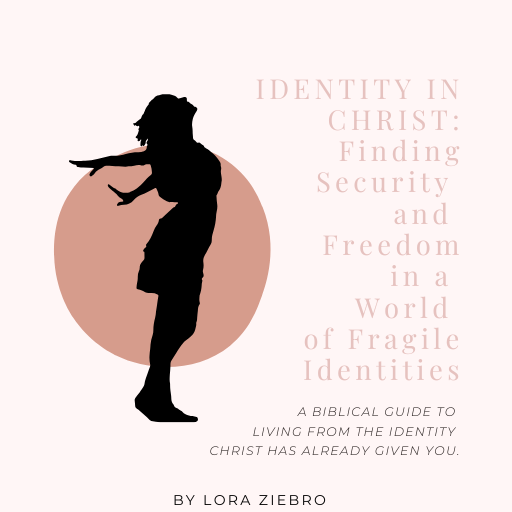
This guide expands on the themes discussed in this article and includes:
• biblical teaching on identity in Christ
• reflection questions for personal study
• practical ways to live from your identity rather than striving toward one
Leave a Reply